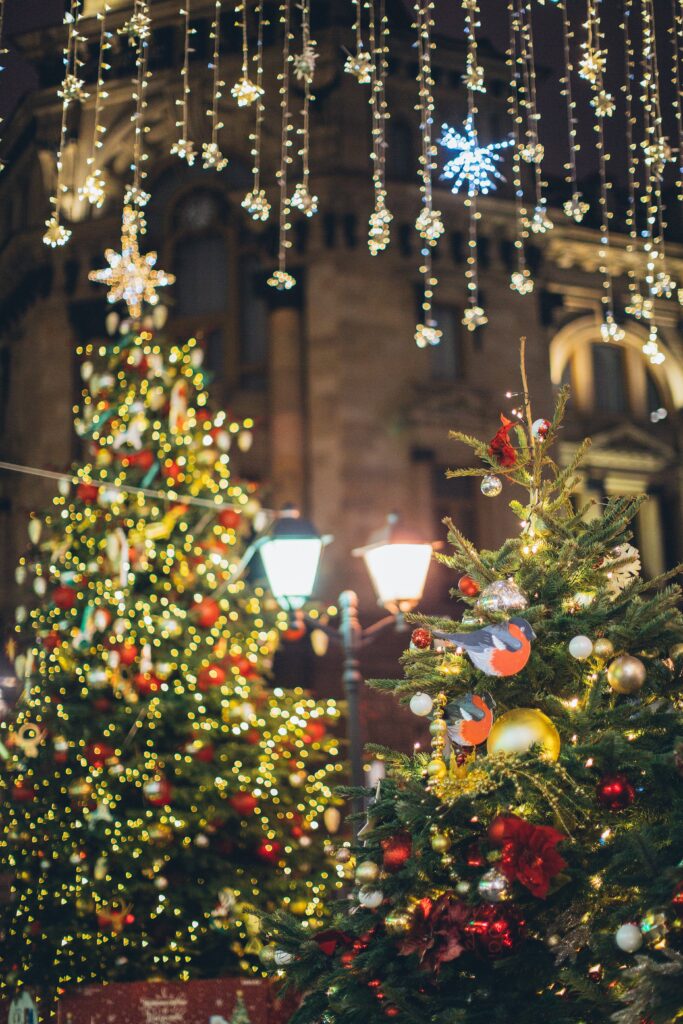

Christmas is a festive holiday celebrated by people around the world. The word “Christmas” is derived from the Old English phrase “Cristes mæsse,” which means the Mass of Christ. The celebration has evolved over centuries, incorporating both religious and secular traditions. While the religious aspects focus on the birth of Jesus and the spiritual meaning of Christmas, many secular customs have become integral to the holiday celebration as well.Christmas is a festive holiday celebrated by people around the world. The word “Christmas” is derived from the Old English phrase “Cristes mæsse,” which means the Mass of Christ. The celebration has evolved over centuries, incorporating both religious and secular traditions. While the religious aspects focus on the birth of Jesus and the spiritual meaning of Christmas, many secular customs have become integral to the holiday celebration as well.
The celebration of Christmas on December 25th is based on the Christian tradition that marks this date as the birth of Jesus Christ. December 25th is close to the winter solstice in the Northern Hemisphere, which is the shortest day and longest night of the year. Some theories suggest that early Christians may have chosen this date to coincide with existing pagan festivals around the solstice, providing a Christian alternative and emphasizing the metaphorical idea of Jesus as the “Light of the World” bringing light into the darkness.
As the chill in the air becomes more pronounced, and the streets light up with a myriad of colors, it’s evident that Christmas is just around the corner. Christmas is a time of year that brings with it a unique blend of religious significance, cultural traditions, and universal goodwill. In this article, we will explore the various aspects of Christmas, from its historical roots to the modern-day celebrations that unite people across the globe.
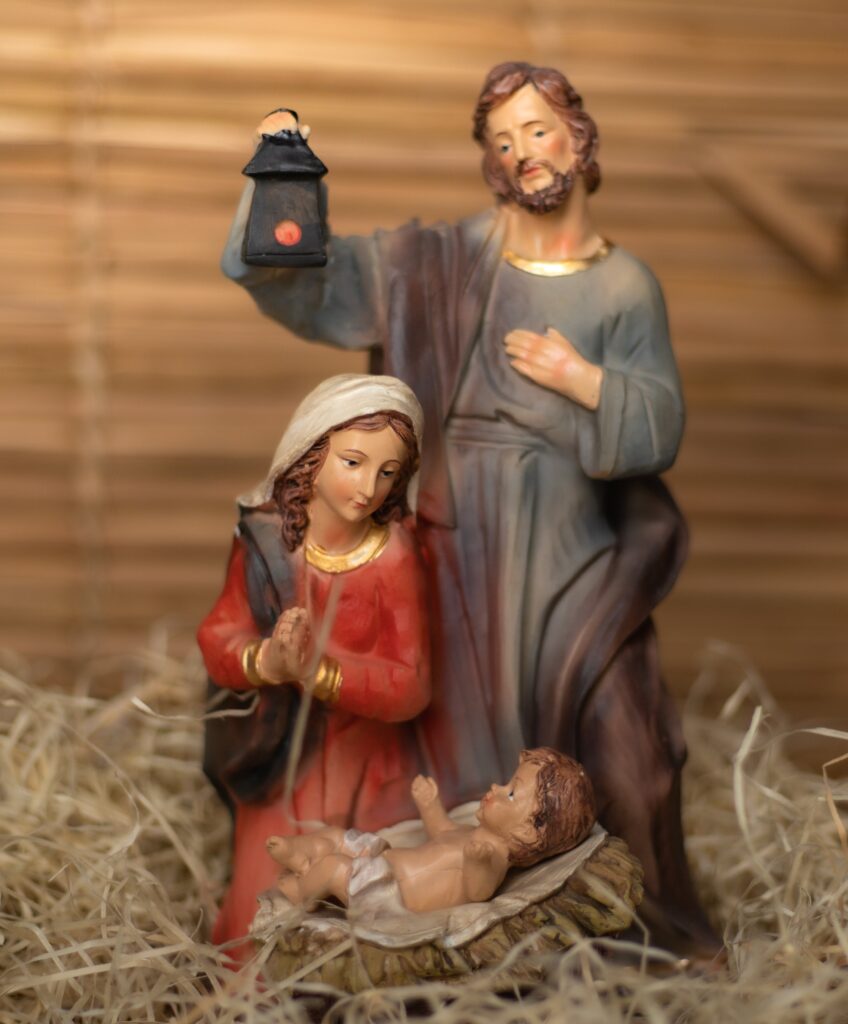
The Religious Significance:
The story of the Nativity, as narrated in the Bible, forms the foundation of the religious celebration. Many Christians attend special church services, where the joyous occasion is marked with hymns, prayers, and reflections on the significance of Jesus’ birth.
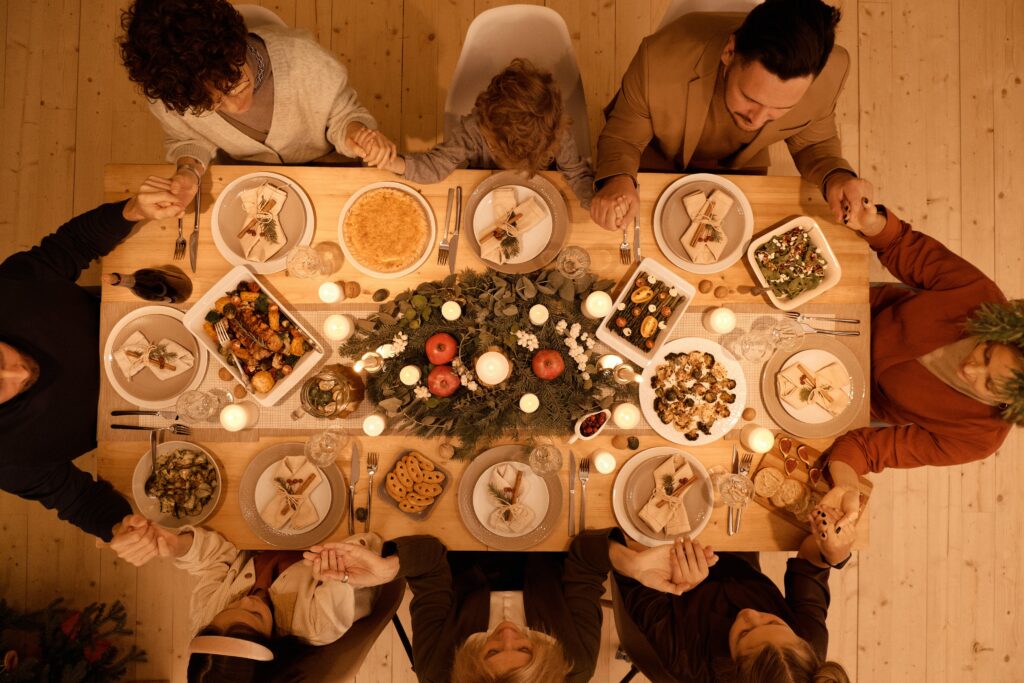
Cultural Traditions:
Families come together to adorn the tree with lights, ornaments, and a shining star at its pinnacle. The exchange of gifts is another universal tradition, symbolizing the spirit of giving and generosity.
The jolly figure of Santa Claus, with his rosy cheeks and white beard, has become synonymous with Christmas for many. Children eagerly await his arrival on Christmas Eve, believing he will bring gifts to those who have been good throughout the year. Stockings are hung by the fireplace, and the sound of sleigh bells is a whimsical reminder of Santa’s magical journey.
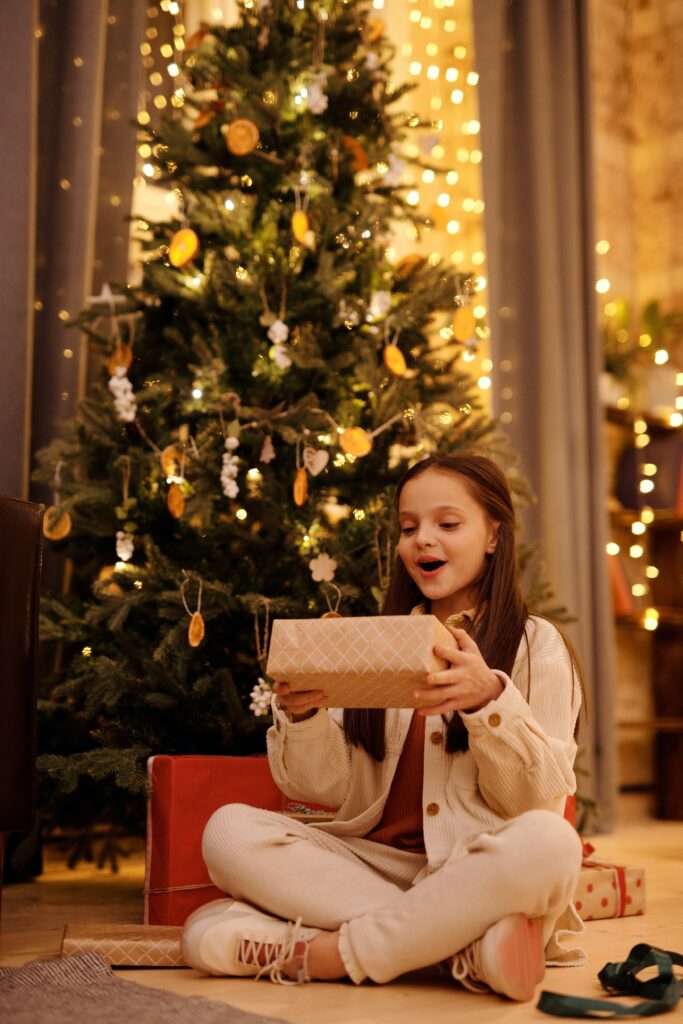
Feasting and Fellowship:
A festive meal is a hallmark of Christmas celebrations. Families and friends gather around tables laden with special dishes, sharing in the joy of the season. Traditional Christmas foods vary across cultures but often include roast turkey, ham, festive desserts, and seasonal treats. The act of breaking bread together fosters a sense of togetherness and reinforces the bonds of family and friendship.

Lights, Decorations, and Music:
The enchanting glow of Christmas lights transforms neighborhoods into magical wonderlands. Elaborate decorations adorn homes, storefronts, and public spaces, creating a visually stunning backdrop for the season. Christmas carols and music, both sacred and secular, fill the air, creating a festive atmosphere that resonates with the spirit of joy and celebration.